Our projects
Our expertise in project design, particularly in European project design, has been developed and enhanced through our first hand participation in various European and national projects.





Healthy EAT
Promoting HEalthy hAbits to tackLe the childhood obesiTY through a multifactorial family-focusEd strATegy
PROGRAM: Erasmus+
INFORMAZION

Childhood obesity is a steadily growing issue that poses increasingly complex challenges to health, education, and social systems across Europe. The phenomenon disproportionately affects children and families in situations of greater vulnerability, who often have limited access to reliable information and effective prevention tools. In this context, Healthy EAT is a European project aimed at tackling childhood obesity and promoting healthy lifestyles by enhancing the role of parents and strengthening the competences of educators and social and healthcare professionals. The project fosters greater food awareness, supports informed nutritional choices, and contributes to the creation of healthier family and community environments through an integrated, participatory, and life-course-oriented approach.
Healthy EAT pursues the following objectives:
- to analyse the main family, social, and environmental factors influencing the development of childhood obesity across different European contexts, with particular attention to vulnerable situations;
- to co-develop evidence-based educational materials for parents, caregivers, and educators, aimed at improving nutrition-related competences, strengthening the parenting role, and countering food-related misinformation;
- to design and make available digital learning tools, including an e-booklet and an interactive e-learning platform, flexible and adaptable to different socio-economic contexts;
- to train social and healthcare professionals and test the developed resources through pilot activities, supporting their integration into local services and educational practices.
Socialit coordinates the Healthy EAT project, ensuring its overall management, partnership coordination, and effective implementation of activities. Socialit is also responsible for the development of the digital platform and ICT tools supporting the project results and contributes to dissemination and communication activities, working in close collaboration with partner organisations at European level.

COMHOM
A comprehensive approach to COMbating HOMelessness through monitoring and evaluation, data-driven solutions and digitalisation
PROGRAMME: ESF+
INFORMATION

Homelessness is a growing challenge in Europe, now affecting more diverse social groups than ever. The decentralised and fragmented nature of homelessness response across the EU limits the effectiveness of interventions, making it difficult to deliver tailored and cost-effective solutions for the varied needs of the homeless population. Hence, the goal of the COMHOM project is to contribute to the digitalisation of the homelessness sector by providing accessible technology, enhancing capacity, and facilitating the adoption of digital tools by homelessness service providers to enable a more integrated and effective approach to homelessness across Europe.
Project’s objectives:
- Develop a standardised monitoring and evaluation framework to improve the coordination and effectiveness of homelessness responses;
- Create digital tools: a platform, database, and AI-powered models, to support decision-making across prevention and intervention efforts;
- Help stakeholders in the homelessness sector build their skills and knowledge through targeted programs that make it easier to adopt and use technology;
- Co-create solutions through participatory processes to ensure acceptance and ownership within the sector;
- Test and validate the COMHOM approach through two social experiments involving 25 homelessness response sub-grantees across Europe;
- Support EU policy priorities and the European Platform on Combating Homelessness by delivering evidence-based practices and promoting an integrated approach to addressing homelessness.

RAISE
FAIR data from collection to exploitation
PROGRAM: Horizon Europe
INFORMAZION

According to the European Research Data Landscape – Final Report, key barriers to the management and sharing of research data include time, effort, storage, required skills, lack of recognition, and concerns about data protection. These challenges discourage researchers from effectively sharing data and hinder advancements in research.
RAISE Suite will build upon the achievements of the EOSC-RAISE EU project to address and eliminate these barriers, providing innovative solutions that empower researchers to manage and share data more effectively, efficiently, and securely.
The goal of RAISE Suite is to eliminate barriers to research data sharing by automating processes, simplifying data management, and fostering a researcher-friendly ecosystem guided by FAIR principles.
Project’s objectives:
- Develop automated solutions for the entire data lifecycle, from collection to dataset generation, reducing time, effort, and skill requirements for data sharing;
- Integrate EOSC-RAISE into RAISE Suite to create a platform that simplifies dataset sharing and mitigates concerns about recognition and data protection;
- Implement a Data Management Plan (DMP)-guided policy with an extended Machine Actionable DMP that supports designated actions throughout the data lifecycle;
- Leverage and enhance the outcomes of the EOSC-RAISE project, transitioning from open data to data open for processing with technologies that streamline the data lifecycle;
- Ensure continuous updates and connections between persistent identifiers (DMP-ID), algorithms, and datasets for seamless data management, processing, reuse, and exploitation.

READI
Research in Europe and Diversity Inclusion
PROGRAMME: IHI
INFORMATION

Clinical studies often fail to recruit and retain diverse participants, leading to knowledge gaps in understanding diseases, preventive care, and treatment effectiveness across different demographic groups. Underserved and underrepresented communities face barriers such as geographic limitations, mistrust, poor communication, and prejudice, further exacerbating disparities in healthcare research. The project READI aims is to create a more inclusive and integrated ecosystem around clinical studies by engaging diverse communities, equipping stakeholders with effective tools and training, and developing a sustainable, patient-centered digital platform to enhance access to clinical studies and foster participation.
Project’s objectives:
- Actively connect key stakeholders to improve access to a wide range of patient populations for clinical studies;
- Equip stakeholders with resources, training programs, and strategies to effectively recruit and retain participants in clinical studies, including those with unconditioned stimuli or unconditioned responses;
- Develop and implement a sustainable, open, and innovative digital platform for patient access to clinical study information, tools, and community connections;
- Test and validate the effectiveness of developed tools and approaches through at least four clinical studies;
- Leverage the expertise of a consortium of 73 organizations from 18 countries, combining skills in drug development, clinical study design, patient engagement, digital solutions, training, communication, and ethics to ensure project success.

JOBAUT
Employment placement for people with autism
PROGRAM: Erasmus+
INFORMAZION

Unfortunately, individuals on the autism spectrum often face significant barriers to inclusion in the labor market, which limits their employment opportunities and ability to lead an independent life.
The JOBAUT project aims to promote the inclusion of people on the autism spectrum in the open labor market through the development of a tailored job coaching methodology and a set of practical tools to support professionals in creating personalized job coaching pathways.
The main objectives of JOBAUT are:
- To develop a holistic coaching methodology and toolkit designed to meet the specific needs of individuals on the autism spectrum;
- To facilitate job placement by providing personalized support and guidance;
- To support individuals in building an independent life plan aligned with their professional journey.

SONAR
Social Sciences Participatory Research-Action for Preparedness in Risk Management for Disasters and Health Emergencies in Europe’s Cities
PROGRAMME: Horizon Europe
INFORMATION

Emergencies, including health crises, place immense pressure on the response capacities of cities, countries, and the European Union, exacerbating existing climatic, political, economic, and social challenges. Vulnerable urban populations are excessively affected, facing limited access to information, resources, and healthcare, resulting in higher morbidity and mortality. The goal of Sonar-Cities is to make Europe’s cities more resilient in health emergencies and disasters through the co-creation and implementation of a community-based, adapted toolset for people facing vulnerabilities, first responders, and decisionmakers.
The objectives of the project are:
- Analyze factors and impacts of past emergencies in six European cities, focusing on vulnerable populations;
- Co-create a citizen-centered toolset to enhance preparedness, improve health literacy and crisis communication, and strengthen decision-making;
- Disseminate the toolset via an interactive Knowledge Platform;
- Establish a Social Sciences Emergency Support network for authorities during crises.

CARAMEL
CArdiovascular Risk Assessment via multimodal data analysis enabling personalised prevention strategies targeting MEnopausaL women
PROGRAM: Horizon Europe
INFORMAZION

Women’s cardiovascular health remains an urgent clinical unmet need, as cardiovascular disease risk in women, particularly those aged 40-60, is often underestimated by both clinicians and women themselves. This leads to cardiovascular diseases being underdiagnosed, undertreated, and poorly understood in this population, despite the potential for personalized risk assessment and prevention to improve health outcomes. Therefore, the goal of the CARAMEL project is to deliver an innovative personalized prevention model for women aged 40-60, using a risk assessment stratification approach that incorporates sex- and gender-specific risk factors alongside self-assessment and self-management supported by cutting-edge digital technologies.
The goals of the project are:
- Develop a cardiovascular diseases-risk assessment and stratification model powered by AI, integrating data from diverse sources such as EHRs, medical imaging, biomarkers, metabolomics, and lifestyle factors (e.g., sleep, physical activity, diet);
- Co-design and co-create a self-management app ecosystem with women aged 40-60 to empower them in optimizing their cardiovascular health;
- Test and validate the personalized prevention program through observational and interventional studies in clinical sites across Colombia, Croatia, Greece, Lithuania, and Spain;
- Mainstream gender considerations in research and interventions throughout the project;
- Deliver policy recommendations and clinical guidelines to assist health authorities and providers in updating CVD prevention plans for women aged 40-60, incorporating novel AI-driven risk models.

ERICA
Environmental monitoRIng through Civic engAgement
PROGRAMME: Erasmus+
SECTOR: Adult education
INFORMATION

ERICA’s main objective is to improve citizens’ environmental awareness and civic engagement through the development of a new educational methodology on citizen science for environmental monitoring. Citizens will gain the capacity to initiate and manage citizen science initiatives, collect and assess environmental information, and convert such data into “actionable knowledge” that is perceived as useful and immediately applicable by citizens, local authorities, academic institutions, and NGOs.
The project aims:
- to outline the research findings in an e-booklet of best practices.
- to implement the ERICA training methodology for citizen science in environmental monitoring.
- to develop the ERICA e-learning platform, a tool for creating mutual learning across different countries.
- to evaluate both the effectiveness of the methodology and its potential to establish a community of practice during the pilot evaluation.
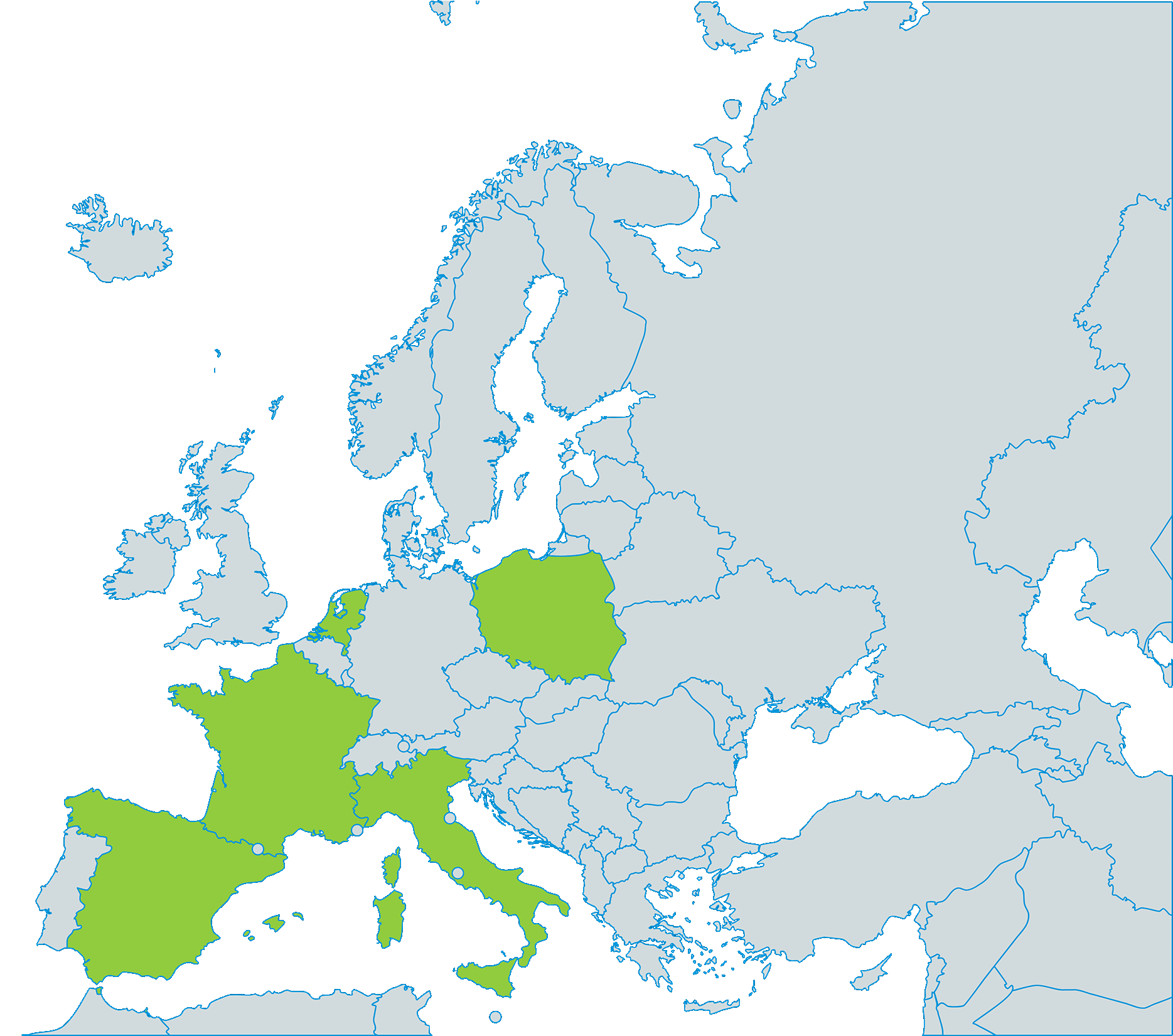
Mind Inclusion 3.0
PROGRAMME: Erasmus+
SECTOR: Adult education
INFORMATION
People with intellectual disabilities (ID) are at a greater risk of social exclusion, especially due to limited employment opportunities and reduced travel autonomy. The COVID-19 pandemic has further increased their isolation to prevent infections. Additionally, individuals with ID face challenges in utilizing digital technologies and the Internet. Mind Inclusion 3.0 aims to expand on the scope of the Erasmus+ project Mind Inclusion 2.0, in order to enhance the skills and abilities of people with intellectual disabilities through ICT tools, promoting their social engagement and improving their quality of life as a result.
The objectives of the project are:
- Co-create and develop an online learning center (OLC) and establish 3 local learning centers on the methodology of mental and social inclusion for people with disabilities.
- Create and promote the use of new digital tools to facilitate inclusion and independent living for people with disabilities.
- Share innovative methodologies and practices to create new opportunities for flexible learning.
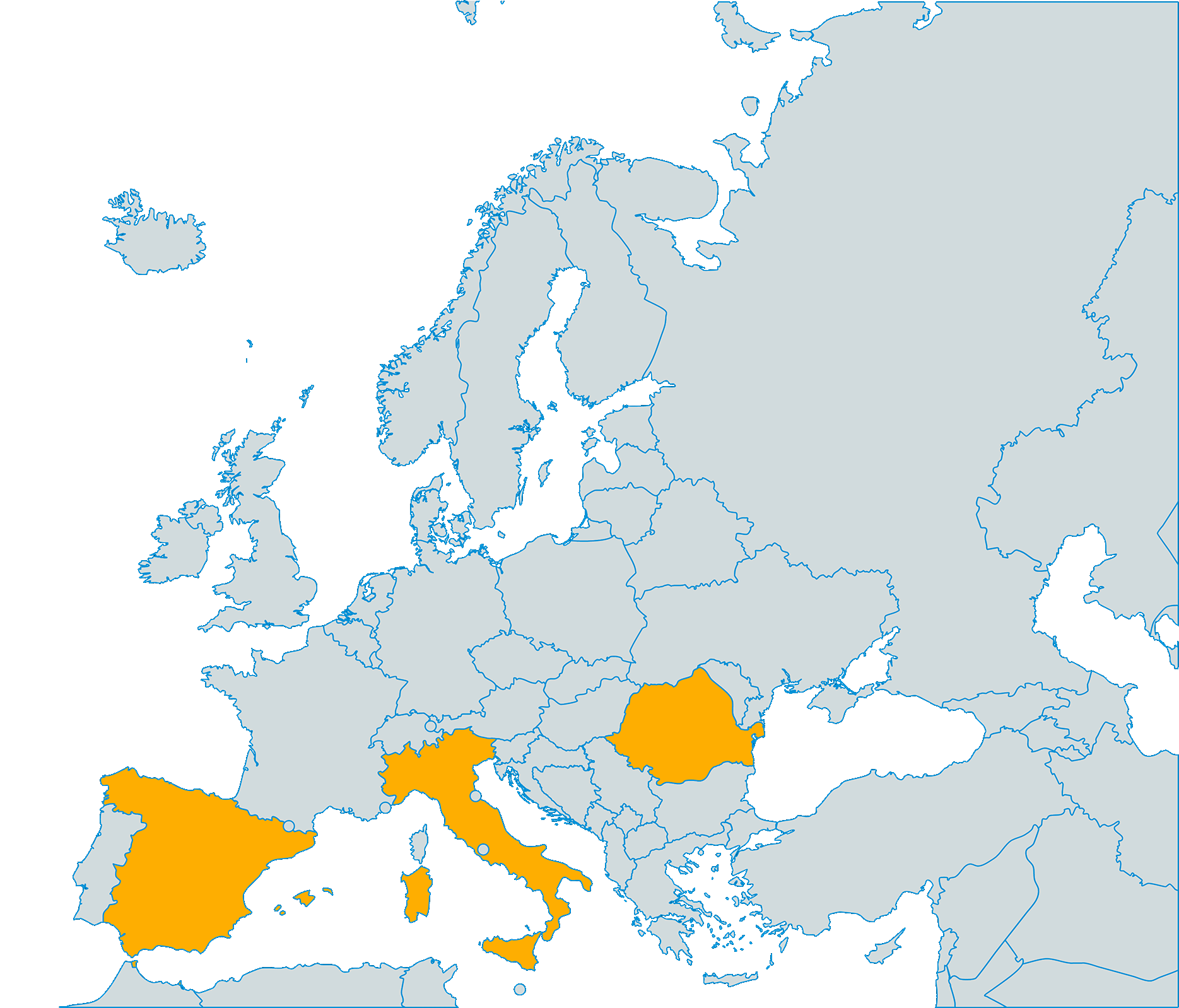
MENTOR+
Multidimensional and transvErsal well-being program for Tele-wORking
PROGRAMME: Erasmus+
SECTOR: Adult education
INFORMATION

Following the COVID-19 pandemic, remote work has become an increasingly utilized mode of work by companies, with the risk of neglecting health and safety requirements to ensure the psychophysical well-being of employees. The main objective of MENTOR+ is to improve employees’ awareness and knowledge regarding well-being in remote work, focusing on the impact that social isolation has on individuals’ psychological, physical, and nutritional health.
The project aims to:
- Promote cooperation and exchange of experiences among organizations in the field of occupational health.
- Develop a comprehensive well-being program (MENTOR+ app).
- Promote good practices for employees to maintain a healthy lifestyle during remote work.
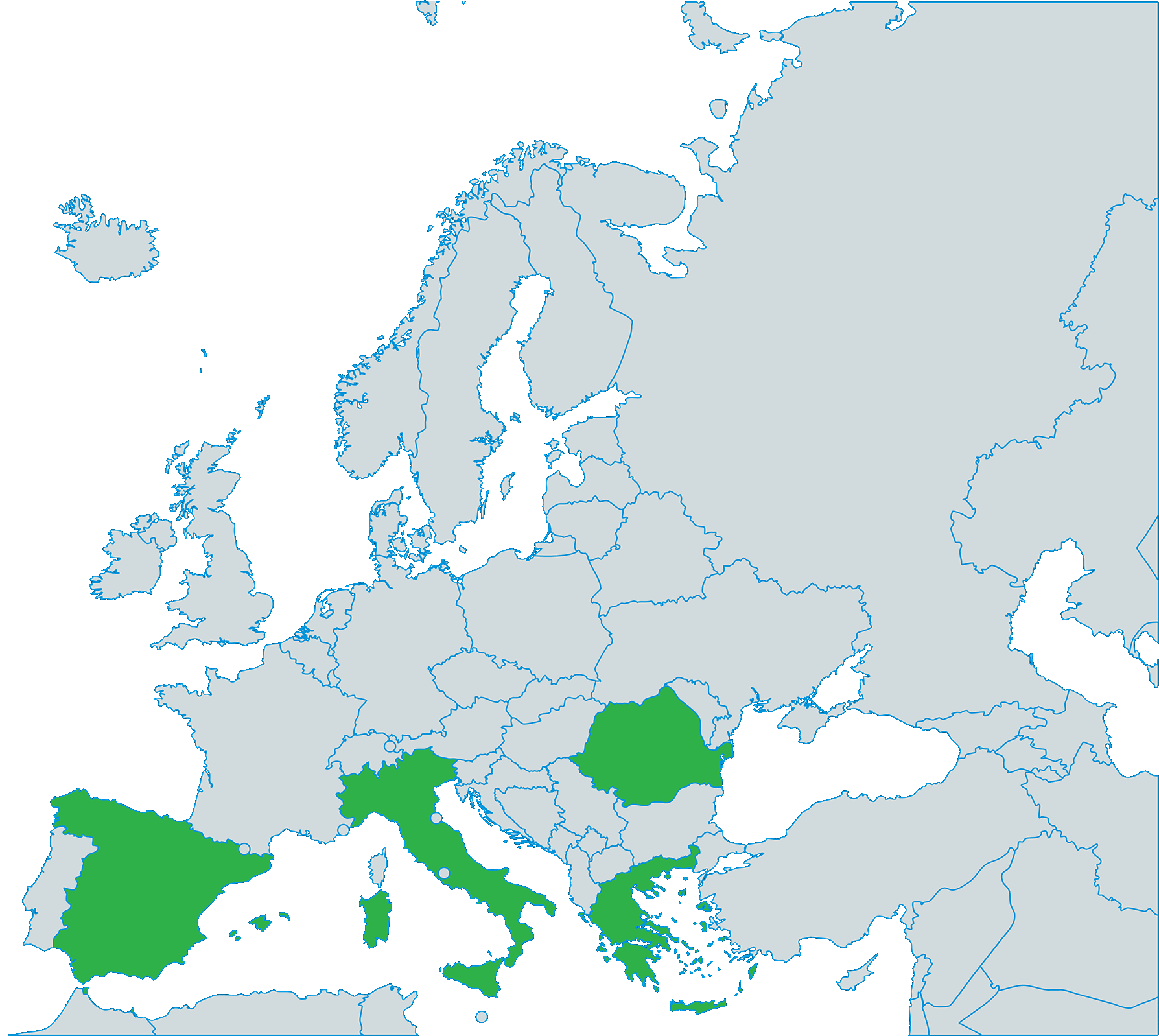
GLIDE-19
Global lessons of the COVID-19 pandemic: learning lessons from prevention to long-term care
PROGRAMME: Erasmus+
SECTOR: Vocational Education and Training
INFORMATION

During the COVID-19 pandemic, healthcare workers have faced an unprecedented crisis, treating patients with insufficient information and without knowing the long-term effects of the disease.
The GLIDE-19 project aims to support healthcare workers in achieving greater capacity and competence to effectively manage current and future pandemics. This will be achieved through innovative learning methodologies for pandemic management and the use of an ICT e-learning platform to create mutual learning at the European level.
The main objectives are:
- Improve the preparedness of healthcare workers by enhancing their operational and digital skills.
- Expand their knowledge of the side effects of the COVID-19 pandemic on well-being.
- Strengthen and integrate available information on the disease at the European level to improve the management of future pandemics through good practices and skills.
e-Active
Fostering competences to promote active ageing through a social participation e-tool
PROGRAMME: Erasmus+
SECTOR: Adult education
INFORMATION
The social isolation that has particularly affected the elderly population during the pandemic has had significant implications for their psychophysical health.
The main purpose of this project is to create a training course on active aging for professionals working with elderly people. The participants in the training will then promote the good practices learned during the course among the elderly population, using a digital tool specifically created for them.
Objectives:
- Promotion of active aging, active civic and social participation, and principles of environmental sustainability among the elderly.
- Prevention of social isolation in the elderly.
- Development of digital skills.
INDACO
Digital innovation for trentino e-commerce
Call for trentino e-commerce platform
INFORMATION

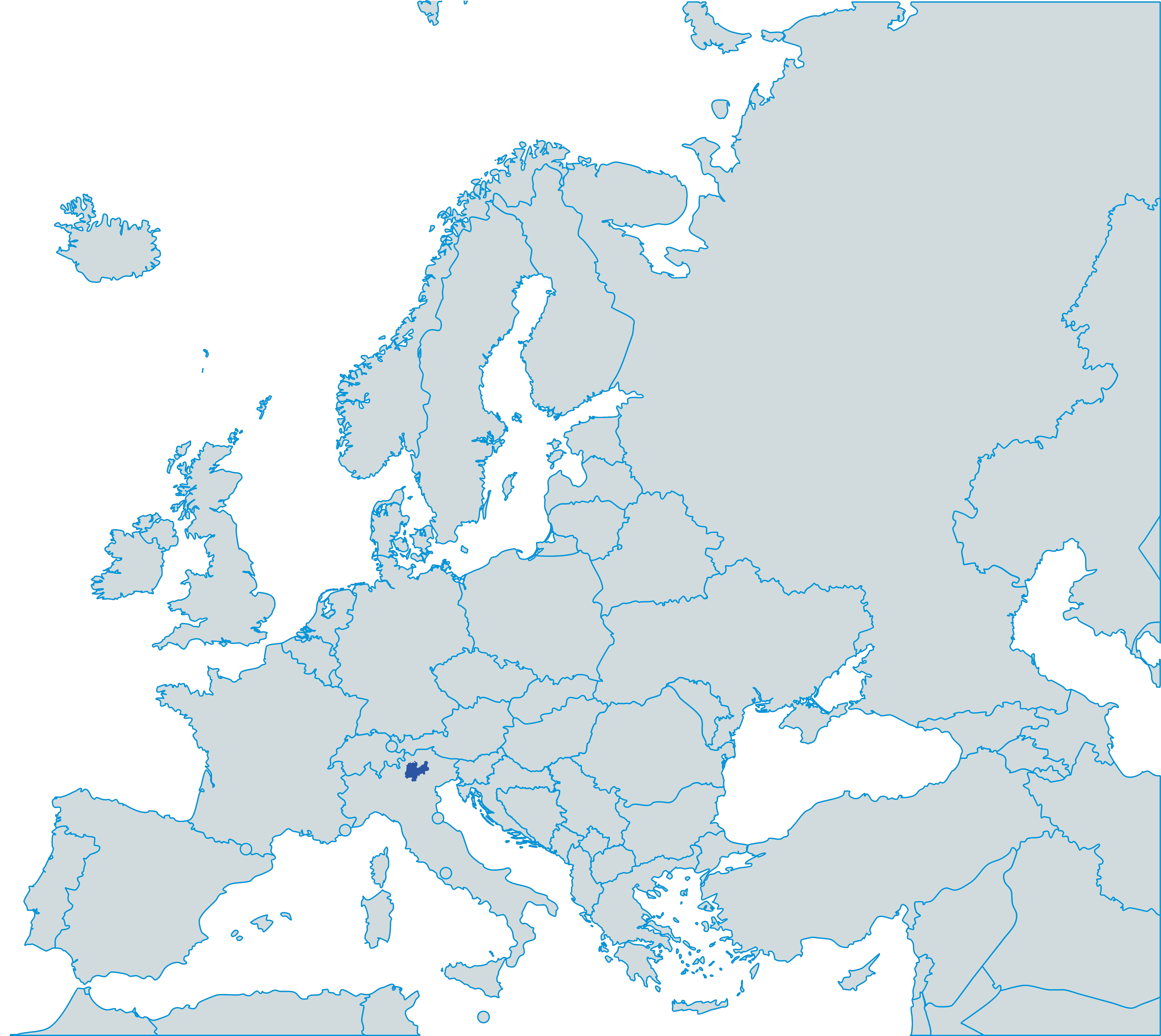
The Indaco project aims to promote the competitiveness of companies in Trentino Region by creating value at the local, social, and economic levels while easing their entry into the world of e-commerce. The main outcome of the project is the creation of an innovative and user-friendly e-commerce platform for everyone. Indaco caters to all actors present in the territory, from micro-businesses to larger enterprises, and can be customized and adapted to the different needs of its users.
Objectives:
- Facilitate the integration and participation of Trentino companies in online commerce, both locally and globally.
- Enhance the entire Trentino supply chain, at both local and international levels.
- Increase competitiveness on the local and global scale.
- Creation of a Trentino e-commerce platform.
- Development of a specific version of the platform for small businesses.
Work@ble
Digital job coaching for disadvantaged people
PROGRAMME: Erasmus+
SECTOR: Professional education
INFORMATION
The Work@ble project aims to address the effects of the COVID-19 pandemic on the labor market, particularly impacting individuals with mental disabilities or Specific Learning Disorders (SLD), through digital training. The project aims to enhance the digital skills of educators and job coaches who support individuals with disabilities in accessing the labor market and the process of social integration, in order to improve their services and provide new opportunities through digitalization.
The objectives of the project are:
- Enhance the digital skills of educators and job coaches through online training.
- Provide digital tools and methodologies to support mentoring and job coaching services.
- Facilitate access to online services for people with disabilities.
- Support social inclusion and access to the labor market for people with disabilities.
- Help individuals with disabilities overcome difficulties related to job search and social integration following the COVID-19 pandemic.
Vitalise
Virtual healTh And weLlbeing Living Lab InfraStructurE
PROGRAMME: H2020
SECTOR: Research and Innovation – Health
INFORMATION
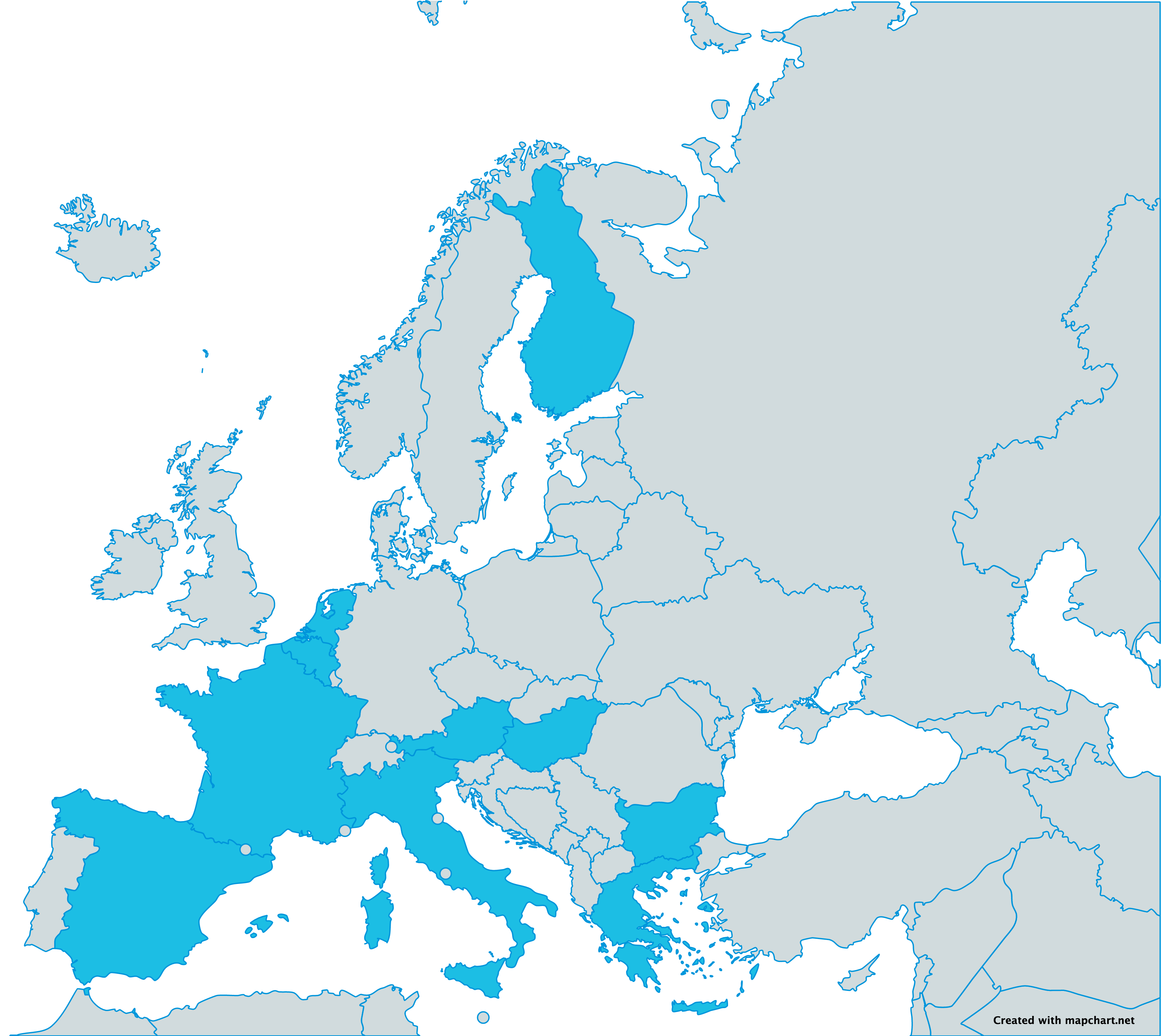
VITALISE is a European project funded through the H2020 program that focuses on promoting Living Labs as functional infrastructures for research activities in the field of health and well-being. Seventeen Living Labs across Europe are involved in implementing and using ICT tools developed by the project to enable shared access to similar devices and applications used in the Living Labs, as well as the collection, storage, and sharing of data sets.
The objectives of the project are:
- Enable transnational access to various research infrastructures in different European countries (Living Labs).
- Support remote digital access to rehabilitation, transitional care, and activities of daily living data sets through common tools and harmonized processes.
- Enhance understanding and valorization of Living Lab methodologies as a support tool for research activities in the field of health and well-being.
INTenSE
Improving demeNtia care Through Self-Experience
PROGRAMME: Erasmus+
SECTOR: Professional education
INFORMATION

The INTenSE project aims to contribute to the vocational training of healthcare professionals who work with people with dementia through the development of innovative methodologies supported by technological tools. In particular, the project aims to promote the “self-experience” methodology to allow professionals to empathize with their patients and better understand their symptoms and perceptions. Through ICT tools and a collection of successful self-experience practices at the European level, professionals will be trained to enhance their ability to explore the lived experience of people with dementia.
The objectives of the project are:
- Promote the exchange of knowledge and best practices at the European level regarding self-experience methodologies to support care activities for people with dementia.
- Enhance the professional skills of healthcare professionals working with people with dementia.
- Improve the levels of care and assistance for people with dementia through a better understanding of their lived experience.
- Promote digital skills of healthcare professionals through the development of a web platform.
TOGeThER
TechnolOgy and social housinG in support of fRagility
FINANCING ENTITY: Fondazione Caritro
SECTOR: ICT and Social Housing
INFORMATION

The TOGeThER project aims to support the autonomy and independence of people with cognitive, physical and social frailty through technology. In particular, it aims to combine the concept of “social housing,” or an emerging housing concept that integrates autonomy enabling pathways and the active involvement of community networks to counter the social isolation of people with frailty, and innovative assistive technologies. The project aims to enable people with frailty to remain independent for longer, ensuring their health and safety with an innovative home care model.
Project goals:
- Develop an innovative integrated model that combines social housing with ICT technologies;
- Foster the autonomy and independence of people with frailty by ensuring their health and safety and avoiding social isolation;
- Reduce the burden of care services by fostering the development of a home care model that ensures an excellent quality of life.
IPA 2
Inclusion of People with Autism in Europe
PROGRAMME: Erasmus+
SECTOR: School education
INFORMATION
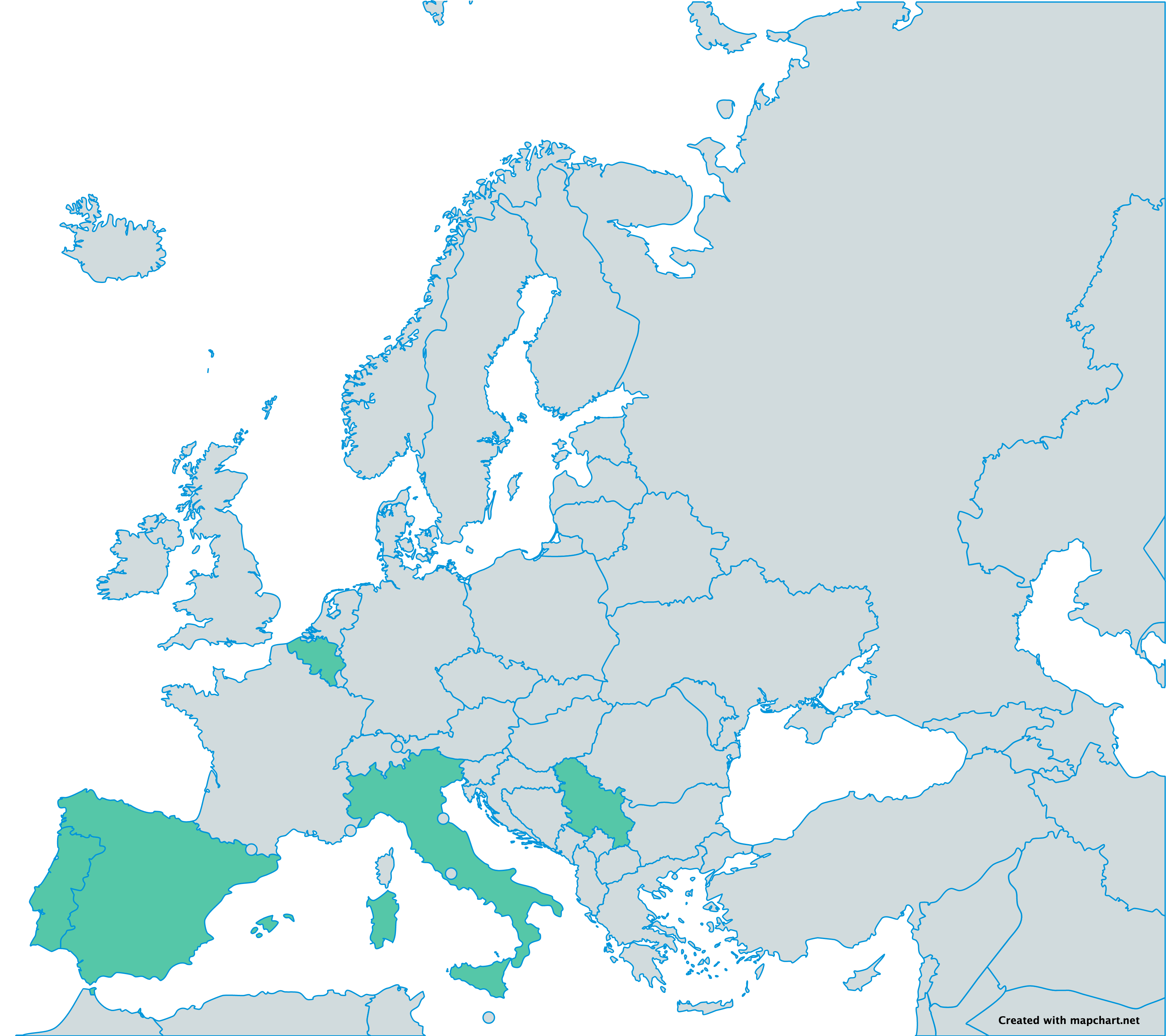
The Erasmus+ IPA2 project is a continuation of the IPA+ project to train primary and secondary school teachers working with students with Specific Learning Disorders (SLD). IPA2 aims to engage teachers, children with autism, and their peers to decrease the vulnerability of students with ASD in the transition between primary and secondary school and create a peaceful and accessible school environment.
The goals of the project:
- To provide innovative training methodologies for teachers to improve communication strategies with students with ASD and their academic performance;
- Support students with ASD in coping with problems and symptoms of anxiety and stress associated with school;
- Preventing school dropout of students with ASD especially in the transition between primary and secondary school;
- Promote the social inclusion of students with ASD in the school setting and improve relationships with classmates.
MIND INCLUSION 2.0
PROGRAMME: Erasmus+
SECTOR: Education
INFORMATION
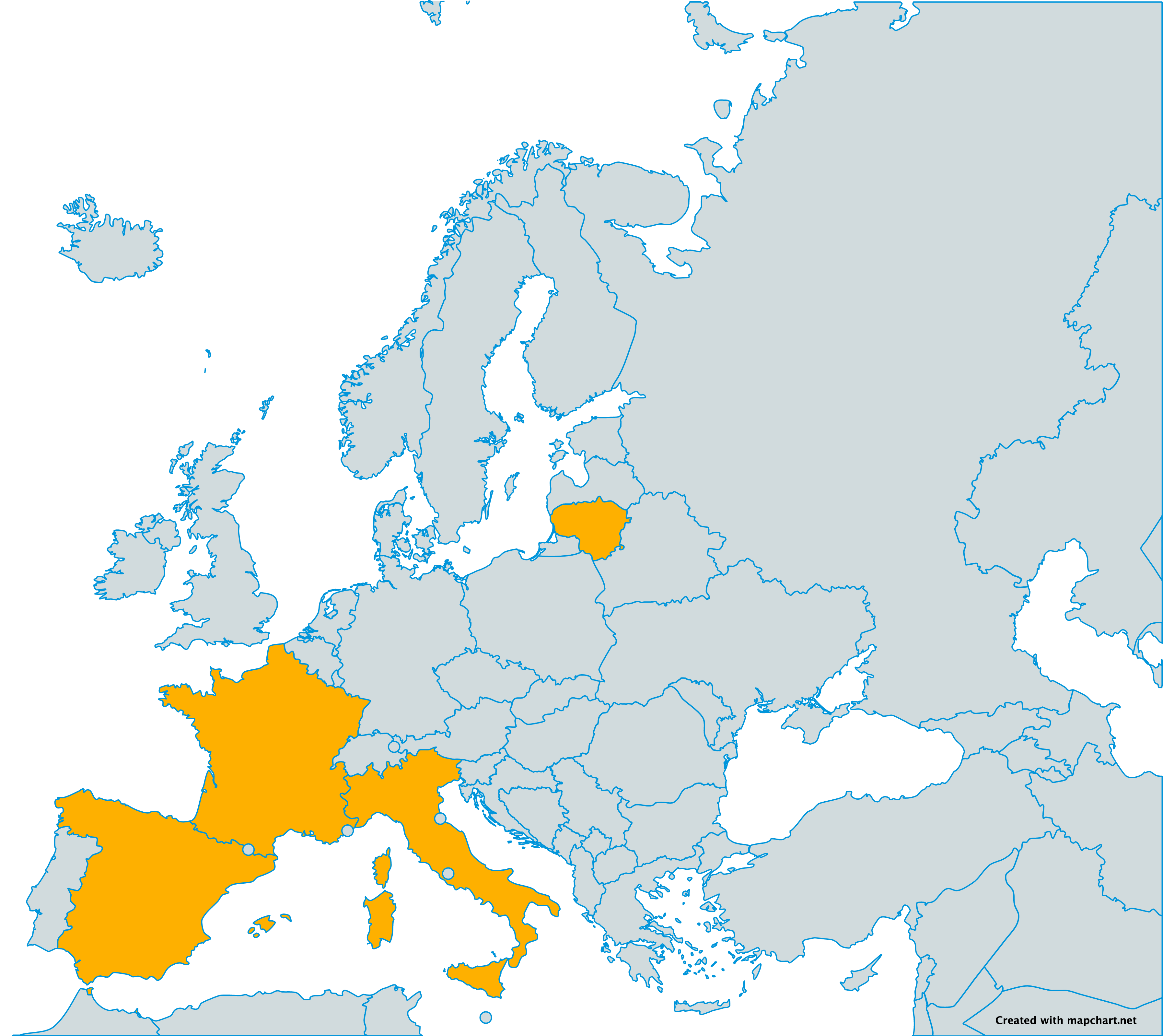
Mind Inclusion 2.0 is a European project funded under the Erasmus+ training and education program. The project promotes at the European level the need to support the development of innovative training methodologies for the professional skills development of educators working with people with intellectual disabilities. Mind Inclusion 2.0 aims to develop, through the participatory approach of co-design, a digital tool and facilitation methodology to support practitioners in fostering the social inclusion of people with intellectual disabilities. The digital platform will enable people with intellectual disabilities to obtain information about the public places in their city that are most attentive and equipped to meet their needs.
The goals of the project:
- Support the training of professionals working with people with mental disabilities through new methodologies and the use of ICT tools;
- Foster the social inclusion of people with mental disabilities through a participatory approach;
- Develop a digital tool to make certain public and social places more accessible to people with mental disabilities;
- Foster European-level cooperation and exchange of experience and knowledge among organizations working with people with mental disabilities;
- Increase awareness at the societal level of the needs of people with mental disabilities and increase social activities more inclusive
CAPTAIN
Coach Assistant via Projected and Tangible Interface
PROGRAMME: H2020
SECTOR: Research and Innovation – Health
INFORMATION
CAPTAIN is a European project funded under the H2020 Framework Program for Research and Innovation to develop ICT solutions to support active aging and independent living. The project aims to implement a virtual assistant to support the elderly in daily life within their home environment.
The objectives of the project:
- To realize a “smart” home environment to ensure greater safety for the elderly people in carrying out daily activities;
- Compensate for the elderly’s physical and mental difficulties through user-friendly and non-invasive technology;
- Enable the elderly people to live independently while ensuring their safety and provide assistance and guidance for an optimal quality of life.
UNCAP
Ubiquitous iNteroperable Care for Ageing People
PROGRAMME: H2020
SECTOR: Research and Innovation – Health
INFORMATION

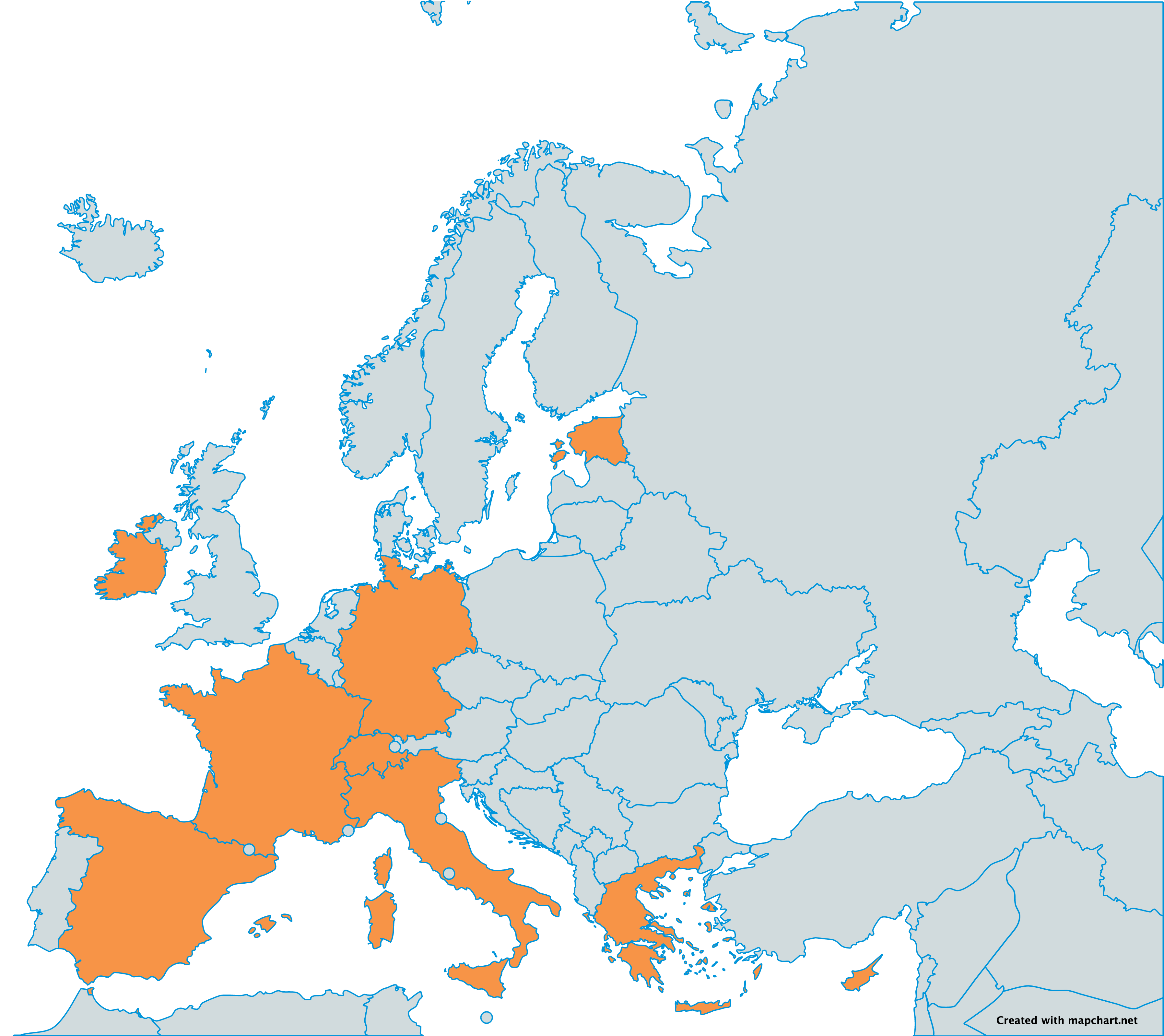
UNCAP is a research and development project that aims to support active and independent aging through the support of technology. Specifically, it wants to develop an ICT infrastructure that will support elderly users in performing daily activities safely and improving their lifestyles.
The objectives of the project:
- Improve the effectiveness of assessment processes during hospital stay to provide better health care;
- Support elderly home care and prevention of cognitive impairment;
- Foster the autonomy and independence of elderly people with cognitive impairment by ensuring safety and improving quality of life.
SISTEMA CHESS
Child Evaluation Support System
SECTOR: Youth policy
INFORMATION

The CHESS Project aims to develop an ICT tool to support educators in evaluating the educational outcomes of the pre-school children. The system provides educators with the elements for a comprehensive assessment useful for improving and optimizing educational intervention according to the child’s already acquired skills.
The objectives of the project:
- To increase educators’ skills in structuring the educational program of pre-school children;
- Improve the evaluation of educational outcomes;
- Develop targeted educational programs according to each child’s development.